
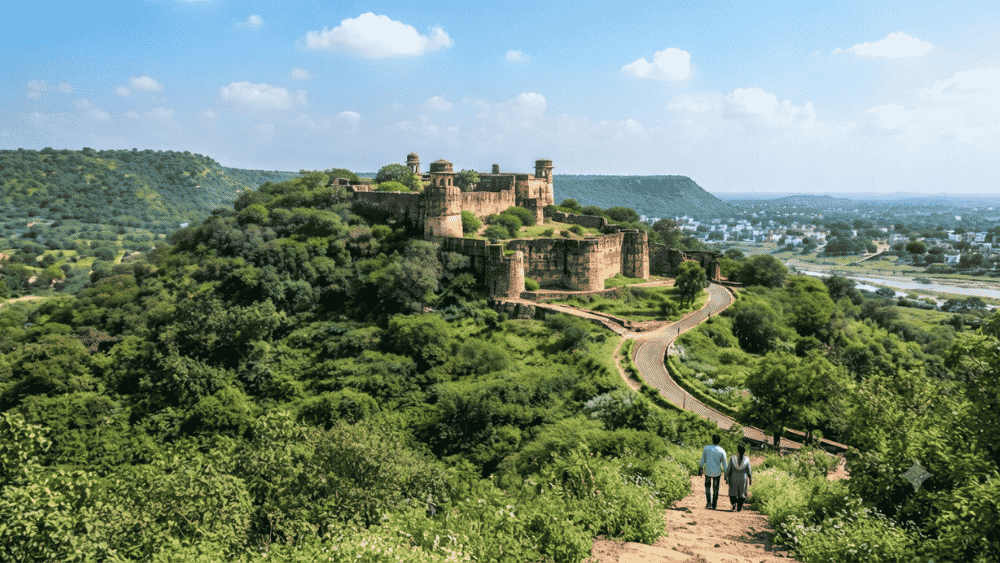
Guna, tucked into the Malwa plateau of Madhya Pradesh, is a destination that changes character with every season. One month it’s golden fields and cool mornings, the next it’s mist over the hills, and by summer it’s a slower, sun-drenched version of itself. If you’re planning a trip — whether it’s a weekend getaway to explore places near Guna, a visit to its religious and sacred sites, or simply a stay to unwind — knowing when to go makes all the difference.
This guide breaks down Guna’s seasons month by month, so you can time your visit around the weather that suits you best, rather than working around it.
Why Timing Your Visit to Guna Actually Matters
Guna sits in a region with a distinctly continental climate — hot, dry summers, a proper monsoon, and winters cold enough to need a jacket after sunset. Unlike coastal or hill-station destinations where the weather stays fairly predictable, Guna’s seasons are sharply defined, and each one changes what you can comfortably do here.
If you’re chasing outdoor sightseeing — temple visits, road trips, or exploring the hidden and lesser-known corners around the city — the season you pick will shape your entire itinerary. Travel in peak summer without planning around the heat, and you’ll spend more time indoors than out. Get the timing right, though, and Guna reveals itself as a genuinely pleasant destination.
Winter in Guna (November to February): The Best Time to Visit
If there’s one season that consistently gets recommended for Guna, it’s winter. From November through February, daytime temperatures hover between a comfortable 15°C and 25°C, while nights can dip to 5–8°C in December and January — crisp enough for a light jacket, cold enough to make a warm meal genuinely enjoyable.
Why winter works so well:
- Ideal for sightseeing. Clear skies and mild daytime temperatures make it easy to spend hours outdoors without discomfort — perfect for covering the top attractions near Guna in a single weekend.
- Comfortable for temple and heritage visits. Many of the religious destinations around Guna involve walking, queuing, or time spent outdoors — all far more pleasant in cooler weather.
- Wedding season overlaps here. Winter is also peak wedding season in Guna, so if you’re planning a wedding in the city, this is when most ceremonies and functions happen — book your stay and banquet space well in advance.
- Festivals and local culture come alive. Winter months bring several regional festivals and celebrations, giving visitors a chance to experience local traditions firsthand.
Travel tip: Pack layers. Mornings and evenings can be genuinely cold, but afternoons warm up quickly, so a light sweater or jacket you can remove is more practical than heavy winter wear.
Summer in Guna (March to June): Hot, Dry, and Best Planned Around
Summer arrives quickly in Guna, and by April the heat is in full swing. Daytime temperatures regularly climb past 38–42°C in May and June, making this the toughest season for outdoor exploration. It’s not a season to avoid entirely, but it does require smarter planning.
How to make summer work:
- Shift outdoor activities to early morning or evening. If you’re visiting attractions outside the city, start early — by late morning, the heat makes extended walking uncomfortable.
- Business travel is less affected. If you’re in Guna for work rather than leisure, summer isn’t a dealbreaker — most of your time will likely be indoors anyway. Hotel Varun is a popular choice for business travelers visiting Guna, with air-conditioned comfort and reliable service regardless of the season outside.
- Stay hydrated and eat light. Local cuisine leans toward hearty, flavorful meals — if you’re craving something lighter during the peak heat, it’s worth checking out the best lunch spots in Guna for options that balance comfort with the season.
- Plan indoor breaks. Museums, local markets in the cooler evening hours, and long lunches indoors are the way to structure your day.
Travel tip: Light cotton clothing, sunscreen, and a refillable water bottle are non-negotiable. If you can, schedule sightseeing for before 10 AM or after 5 PM.
Monsoon in Guna (July to September): Green, Cool, and Underrated
Monsoon doesn’t get talked about much as a travel season, but Guna during the rains has its own quiet appeal. The heat breaks, the surrounding countryside turns a deep green, and temperatures settle into a mild 22–30°C range. Rainfall is generally moderate rather than relentless, with clear spells between showers.
Why monsoon deserves consideration:
- The landscape transforms. Fields and hillsides around Guna turn lush, and if you enjoy photography or scenic drives, this is arguably the most visually rewarding time to explore the region.
- Fewer crowds. Monsoon is the off-season for most travelers, which means better availability and a quieter experience at popular spots.
- Good for short, spontaneous trips. Since rain patterns vary day to day, this season suits travelers who can stay flexible rather than locking in a rigid outdoor itinerary.
Travel tip: Keep a light raincoat or umbrella handy, and check local weather forecasts a day or two ahead if you’re planning to travel to areas outside the city. Roads can get slippery, so factor in slightly longer travel times.
A Quick Month-by-Month Snapshot
Winter runs from November to February, with temperatures ranging from around 5°C to 25°C — the best window for sightseeing, weddings, and festivals. Summer stretches from March to June, with temperatures climbing from 25°C to as high as 42°C, making it more suited to business travel and indoor comfort. Monsoon covers July to September, with a milder range of 22°C to 30°C, ideal for scenic drives, quiet travel, and photography. October acts as a short transition month, with temperatures between 20°C and 32°C, offering pleasant weather and smaller crowds before winter sets in fully.
So, When Should You Actually Visit?
If sightseeing, comfortable weather, and a packed itinerary are your priority, winter (November to February) is hard to beat. It’s the season locals themselves recommend, and it lines up well with festivals, weddings, and the kind of weather that makes exploring the attractions around Guna genuinely enjoyable.
That said, Guna isn’t a one-season city. Business travelers will find it just as functional in the summer heat, monsoon offers a peaceful, green alternative for those who don’t mind a little rain, and each season brings its own version of the city worth experiencing.
What to Pack for Each Season
Packing right can make or break your trip, especially in a city with as much seasonal variation as Guna. Here’s a quick breakdown:
Winter (November–February):
- A medium-weight jacket or sweater for evenings and early mornings
- Comfortable walking shoes for sightseeing
- A light scarf or stole, especially useful for temple visits
- Sunscreen — winter sun in Guna is mild but still present through the day
Summer (March–June):
- Loose, breathable cotton clothing in light colors
- A wide-brimmed hat or cap and sunglasses
- High-SPF sunscreen and a cooling mist spray or wet wipes
- A refillable water bottle — staying hydrated is essential
- Comfortable, breathable footwear rather than closed shoes
Monsoon (July–September):
- A compact umbrella or raincoat
- Quick-dry clothing, since humidity can make heavier fabrics uncomfortable
- Waterproof or quick-drying footwear for wet roads
- A plastic pouch or waterproof bag for electronics and important documents
Common Questions About Visiting Guna
Is Guna hot all year round?
No. While summers (March to June) are intensely hot, winters are cool and pleasant, and monsoon brings a welcome drop in temperature along with greener surroundings. The climate varies significantly across the year, so it’s worth planning around the season that suits your travel style.
Can I visit Guna during the monsoon season?
Yes, and many travelers overlook it. Rainfall is generally moderate, the countryside turns green, and it’s a quieter time to visit with fewer crowds at popular spots. Just build some flexibility into your itinerary in case of heavier showers.
What’s the coldest month in Guna?
January is typically the coldest month, with night temperatures dropping to around 5–8°C. Days remain mild and sunny, making it comfortable for outdoor activities despite the chilly mornings and evenings.
Is winter really the best time for sightseeing?
For most travelers, yes. Mild daytime temperatures and cool evenings make it far easier to spend a full day outdoors, whether you’re covering multiple attractions in one trip or taking a slower, more relaxed pace.
Does the season affect business travel to Guna?
Not significantly. Business travel tends to happen year-round regardless of weather, since most time is spent indoors at meetings or events. That said, if you have some free time around your trip, timing it closer to winter gives you the added benefit of pleasant weather for any sightseeing you can fit in.
Plan Your Stay Around the Season
Whichever time of year you choose, where you stay matters just as much as when you visit. Hotel Varun offers comfortable, well-appointed rooms year-round, with amenities suited to both leisure travelers exploring the region and business guests passing through. Whether you’re timing your trip for the cool winter months or making the most of a monsoon getaway, a comfortable base makes every season easier to enjoy.
Browse our accommodation options or explore our dining experiences to start planning your stay in Guna today.